
| Tony Fang | Jarislowsky Chair in Cultural and Economic Transformation, Professor at Economics, Memorial University of Newfoundland |
| Wendy Cukier | Founder and Academic Director (Diversity Institute), Professor of Entrepreneurship, Toronto Metropolitan University |
| Ailsa Craig | Acting Associate Vice-president (academic) and Dean of the School of Graduate Studies, Memorial University of Newfoundland |
| Sarah Stoodley | Minister of Immigration, Population Growth and Skills, Acting Minister of Mental Health and Addictions, Acting Minister of Housing, and Minister Responsible for Francophone Affairs, Government of Newfoundland and Labrador |
| Meghan Burchell | Acting Associate Dean (Research), Faculty of Humanities and Social Sciences, and Associate Professor, Memorial University of Newfoundland |
| Roberto Martinez Espineira | Head of Economics Department, Memorial University of Newfoundland |
| Rhonda McEwen | President and Vice-chancellor of Victoria University, University of Toronto |
| Richard Freeman | Herbert Ascherman Chair in Economics, Harvard University |
| Jennifer Hunt | Professor of Economics, Rutgers University |
| Ebrahim Bagheri | Faculty of Information, University of Toronto |
| Christian Blouin | Associate Dean with the Faculty of Computer Science, Dalhousie University |
| Marc Etienne Ouimette | Global Lead, AI Policy, Amazon Web |
| Jeanette Jackson | CEO, Foresight Cleantech Accelerator Centre |
| David Sawyer | Principal Economist at Canadian Climate Institute; EnviroEconomics Inc. |
| Sam Hampton | Oxford University |
| Ali Joutsi | Director, Sustainability Strategy & Transformation, PWC LLP |
| Rob Greenwood | Deputy Minister of Rural and Regional Development and Engagement, Government of Newfoundland and Labrador |
| David Freshwater | Professor at University of Kentucky |
| Wulong Gu | Senior Advisor in the Economic Analysis Division at Statistics Canada |
| Mingwei Liu | Professor and Associate Dean for Research at the School of Management and Labor Relations, Rutgers University |
| Carl Lin | Associate Professor of Economics and Director of China Institute, Bucknell University |
| Alex Stephens | Associate Director, Research & Evaluation, Future Skills Centre |
| Namir Anani | President and CEO, Information and Communications Technology Council |
| Sue Paish | CEO, Digital Supercluster |
| Mark Patterson | CEO, Magnet |
| Rushmi Hasham | Director, Development and Accelerated Cybersecurity Training Programs, Rogers Cybersecurity Catalyst |
| Andrew Sharpe | Founder and Executive Director, Centre for the Study of Living Standards (CSLS) |
| Arthur Sweetman | Professor of Economics, McMaster University |
| Jocelyn Maclure | Stephen A. Jarislowsky Chair in Human Nature and Technology and Professor of Philosophy, McGill University |
| Christopher Frank Parmeter | Vice Editor, Journal of Productivity Analysis, and Associate Professor, University of Miami, School of Business |
| Anindya Sen | Professor of Economics, University of Waterloo, and Acting Executive Director, Waterloo Cybersecurity and Privacy Institute (CPI) |
| Derek Messacar | Associate Professor of Economics, Memorial University of Newfoundland |
| Yanhong Jin | Professor in the Department of Agricultural, Food and Resource Economics at Rutgers University |
| Benoit Dostie | Professor, HEC Montréal, Directeur académique, CIQSS |
| Xingfei Liu | Associate Professor of Economics, University of Alberta |
| Emin Gahramanov | Professor of Economics, School of Busi ness Administration, American University of Sharjah |
| Graham King | MA in Economic Geography at UBC and Research Fellow at Stephen Jarislowsky Chair |
| Elysa Darling | Chief of Staff at Digital |
| Emile Tompa | Associate Professor of Economics, McMaster University, Assistant Professor of Public Health, University of Toronto, and Senior Scientist, Institute for Work and Health |
| Jo-Ann Johnson | PhD candidate in the School of Industrial Relations at Universitéde Montréal, University of Montreal |
| Shannon Pestun | CEO of Pestun Consulting; Co-founder, The Finance Cafe |
| Emily Madden | Senior Director, Magnet |

Tony Fang
Tony Fang has a Ph.D. in Industrial Relations and Human Resources from the University of Toronto. He is the Stephen Jarislowsky Chair in Economic and Cultural Transformation at Memorial University of Newfoundland and an adjunct Professor with the University of Toronto (IR/HR) and Toronto Metropolitan University (Sociology). Currently, he holds the J. Robert Beyster Faculty Fellowship at Rutgers University. He served on the World Bank’s Expert Advisory Committee on Migration and Development (2014-2019) and as the President of the Chinese Economists Society (2012-13) and as the Domain Leader at CERIS, Ontario Metropolis Centre (2009-12). He was a visiting professor at Harvard University and NBER, The Wharton School, City University of Hong Kong, Chinese University of Hong Kong (Shenzhen), Tsinghua University, and Fudan University. In 2017, he was made a Fellow of the Royal Society of Arts (FRSA) 2017.
He was appointed by the Government of Canada as a member of the Expert Consultation on Private Pensions in Canada, and more recently, for the 2021-2023 Review of Employment Equity Act.

Wendy Cukier
Dr. Wendy Cukier is a professor of Entrepreneurship and Innovation at the Ted Rogers School of Management, Academic Director of the Diversity Institute, and Academic Research Director of the Future Skills Centre. She co-authored the bestseller “Innovation Nation: Canadian Leadership from Java to Jurassic Park” and is a leader in disruptive technologies and innovation. Formerly the Vice President of Research and Innovation, and associate Dean of the Ted Rogers School of Management, she is now the Academic Director of TMUs Diversity Institute which has 10 hubs across the country, over 80 research staff, 100 research associates from around the world, and more than 200 industry partners focused on future skills, entrepreneurship and inclusion. Recent projects have included the development of competency frameworks and strategies to support the adoption of AI among entrepreneurs and Small and Medium Enterprises. Wendy has been recognized with many awards for her volunteer work and was named one of the “100 Alumni who shaped the Century” by the University of Toronto. She has also received Canada’s Meritorious Service Cross, one of the country’s highest civilian honours. She holds a PhD in Information Systems from the Schulich School of Business, an MBA (Marketing and Information Systems), an MA, and honourary doctorates from Laval and Concordia universities.

Ailsa Craig
Dr. Ailsa Craig is a full professor of Sociology and Acting Associate Vice-President (Academic) and Dean of Graduate Studies. Dr. Craig has held a range of leadership roles at Memorial University, including Special Advisor to the President for Continuing Education, Interim Dean of Humanities and Social Sciences, Associate Dean (Curriculum and Programs), and Head of the Sociology Department.
Dr. Craig is also a co-founder and co-chair of the first 2SLGBTQAI+ community centre in Newfoundland and Labrador (Quadrangle), and a 2016 recipient of the President’s Award for Outstanding Teaching (Faculty). A Fulbright alum and graduate of New York University in the United States and York University in Toronto, Ontario, Dr. Craig’s research interests include the sociology of art, gender and sexual diversity, structural inequality, the sociology of emotions, and community building and mentorship strategies.

Sarah Stoodley
Sarah Stoodley (MA, B.Comm. Co-op) was first elected to the House of Assembly on May 16, 2019.
Ms. Stoodley grew up in Grand Falls-Windsor, lived and worked for three years in Oxford, United Kingdom, and built a successful career as a digital expert in financial services.
She was an elected alumni representative on the Memorial University Board of Regents and served on the C.A. Pippy Park Commission Board and the techNL (NATI) Board.
On April 8, 2021, she was re-sworn-in as Minister of Digital Government and ServiceNL, Minister Responsible for the Office of the Chief Information Officer and Minister Responsible for Francophone Affairs.
Since July 19, 2024, Ms. Stoodley has served as the Minister for Immigration, Population Growth and Skills and the Minister Responsible for Francophone Affairs. On March 11, 2025 she was also appointed as Acting Minister of Health and Addictions and Acting Minister of Housing.

Meghan Burchell
Meghan Burchell joined Memorial University in 2013, and is the (acting) Associate Dean of Research in the Faculty of Humanities and Social Sciences, and was previously, the(acting) Associate Dean of the School of Graduate Studies. As an Associate Professor in Archaeology,Meghan’s research intersects archaeology, biology, and geochemistry to understand long-term human-environmental interactions and climate change through a feminist lens. She is an advocate for Graduate Student funding and opportunities and focuses much of her time mentoring early career researchers through the processor obtaining research funding and developing engaging opportunities for students.

Roberto Martinez Espineira
Roberto Martinez Espineira is a Professor and the head of the Department of Economics at Memorial University.Prior to joining MUN, he worked at the Economics Department of St. Francis Xavier University in Antigonish, Nova Scotia. He earned his undergraduate degree in Economics from the University of Santiago de Compostela in Spain. Later, he completed his MSc in Environmental Economics and DPhil at the Environment Department of the University of York in the UK. One of his primary research areas is the estimation of water demand functions and other issues related to water demand and pricing. Another area of his work focuses on the valuation of natural resources and other non-market goods and services.

Rob Greenwood
Rob Greenwood assumed the role of Deputy Minister, Rural and Regional Development and Engagement, and Chief Economic Development Officer, for the Government of Newfoundland and Labrador on September 5, 2023. Prior to that, he served as Associate Vice President (Public Engagement and External Relations) at Memorial University and was the founding Director of the Leslie Harris Centre of Regional Policy and Development. His responsibilities also included the Signal Hill Campus, Alumni Engagement, Strategic External Relations, the Botanical Gardens, and the Newfoundland Quarterly.
Before working at Memorial, Rob served as a Director and Assistant Deputy Minister of Policy in Economic Development departments in Newfoundland and Labrador and in Saskatchewan.

Rhonda McEwen
Dr. Rhonda N. McEwen is the 14th President and Vice-Chancellor of Victoria University in the University of Toronto; Canada Research Chair in Tactile Interfaces, Communication and Cognition, a Professor of Emerging Media & Communication, and a faculty member at the Institute of Communication, Culture, Information & Technology.
With an MBA in IT, an MSc in Telecommunications, and a Ph.D. in Information, Dr. McEwen combines communication studies and applied and behavioural sciences to examine the social and cognitive effects of technologies. Her pioneering approach to communication research employs experimental techniques, eye tracking, observations, sensor data, and interviews to investigate Human-Machine Communication. Dr. McEwen has worked with and researched digital communications media for over 20 years, both in companies providing services, and in management consulting to those companies.
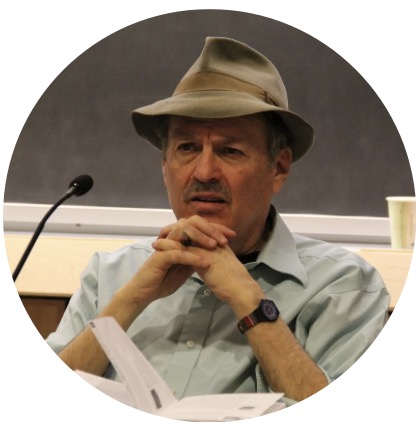
Richard Freeman
Richard B. Freeman holds the Herbert Ascherman Chair in Economics at Harvard University. He is a Research Associate at the NBER, and is currently serving as Faculty co-Director of the Center for Labor and a Just Economy at the Harvard Law School.
Professor Freeman received the Mincer Lifetime Achievement Prize from the Society of Labor Economics
n 2006. In 2007 he was awarded the IZA Prize in Labor Economics. In 2011 he was appointed Frances Perkins Fellow of the American Academy of Political and Social Science.
In 2016 he received the Global Equity Organization (GEO) Judges Award and was named a Distinguished Fellow of the American Economic Association as “an enormously innovative labor economist who has made pioneering contributions to virtually every aspect of the field.”
Professor Freeman’s research interests include the job market for scientists and engineers; the transformation of scientific ideas into innovations, Chinese and Korean labor markets; the effects of AI and robots on the job market; and forms of labor market representation and employee ownership.

Jennifer Hunt
Jennifer Hunt is Professor of Economics at Rutgers University. From 2013-2015, while on leave from Rutgers, she served first as Chief Economist of the U.S. Department of Labour, then as Deputy Assistant Secretary for Microeconomic Analysis at the U.S. Department of the Treasury. Prior to joining Rutgers in 2011, she held positions at McGill University, the University of Montreal, and Yale University. Hunt is a Research Associate at the National Bureau of Economic Research in Cambridge, Massachusetts and a Research Fellow at the Centre for Economic Policy Research in London. Her current research focuses on the geographic diffusion of technology adoption, while past research has also encompassed immigration, wage inequality, unemployment, the science and engineering workforce, the transition from communism, crime and corruption.She received her Ph.D. in Economics from Harvard and her Bachelor’s degree in Electrical Engineering from the Massachusetts Institute of Technology.

Ebrahim Bagheri
Dr. Ebrahim Bagheri, a Professor at the University of Toronto, is an interdisciplinary researcher who focuses on efficient and responsible information retrieval methods, and who has impacted industry, government and civil society through community engagement and knowledge translation. Before joining the Faculty of Information, Ebrahim held a Canada Research Chair in Social Information Retrieval and an NSERC Industrial Research Chair in Social Media Analytics at Toronto Metropolitan University.
He also founded and directed the NSERC CREATE initiative on responsible AI that uniquely highlighted the need to balance economic development with social good.
He is the Associate Editor for IEEE Transactions on Network Science and Engineering and ACM Transactions on Intelligent Systems and Technology.
In 2019, Ebrahim received the Government of Canada NSERC Synergy Award for Innovation for his outstanding industry-academia collaborations.

Christian Blouin
Christian Blouin is acting Dean and Associate Dean (Academic) for the Faculty of Computer Science, Dalhousie University. He serves also as Institutional Lead (AI strategy) for Dalhousie. Within these roles, he is leading curriculum renewal in Computer Science and coordinating Digital Transformation and AI integration for Dalhousie’s academic mission and administrative functions.

Marc Etienne Ouimette
Marc-Etienne Ouimette leads global AI policy at AWS. Marc is a published author on R&D, industrial policy, and technology governance, with extensive experience advising organizations and governments. He serves on the B7 advisory committee and on the Partnership for AI Policy Advisory Board, and previously chaired the Montreal Centre of expertise for GPAI, sat on the WEF’s Center for the Fourth Industrial Revolution board, and on the advisory board of Tortoise Media. He’s delivered keynotes at prestigious forums including the Rockefeller Foundation, SXSW, the Global AI Summit, the B7 summit, and InterAmerican Development Bank Governor’s meeting. Before AWS, Marc headed Public Policy at Element AI and practiced as a corporate lawyer at a major Canadian firm.

Jeanette Jackson
Jeanette is an experienced CEO and entrepreneur with broad expertise in strategy, innovation, business development, marketing, and operations. As CEO of Foresight since 2018, she has transformed the non-profit from a regional startup organization to Canada’s largest cleantech accelerator. With her expertise, Foresight has built a vibrant Industry Innovation Program and launched a sectoral approach to accelerate cleantech innovation and adoption.
Prior to joining Foresight, Jeanette was founding CEO of Light-Based Technologies, which she built into a scaling enterprise with venture capital support. In her subsequent role as President of The Brag Company, she oversaw the complete restructuring of the business and sale of the company in just two years.
Jeanette served as an Executive in Residence with Foresight for four years before becoming CEO, where she advised more than 25 ventures in several markets including bio-energy, electric vehicles, smart buildings, water tech, robotics, and wind.
Jeanette is deeply invested in the Canadian cleantech community and has established herself as a passionate advocate for sustainability, championing the importance and impact of Canadian clean technologies in the global transition to net zero. She is a frequent speaker, media guest, and advisor to innovators, industry, investors and government, and has won numerous awards, including:
2020 Women of Inspiration Advocate and Catalyst for Change Award
2023 YWCA Women of Distinction Award (Environmental Sustainability)
2023 Business in Vancouver Influential Women of Distinction Award

David Sawyer
Dave Sawyer is Environmental Economist with over 25 years of national and international experience. Dave has built a solid reputation as a leader in the economics of climate policy and energy futures in Canada. His advice is routinely sought by a wide cross-section of climate policy leaders around the world, bridging political realities with sound economic theory.
For over 20 years, Dave has provided insight on the impact of carbon policy. He was the lead author of a number of seminal Canadian reports on national carbon policy (here, here and here) and has published on competitiveness impacts (here and here). Dave has also been working in developing countries on the socio-benefits of low carbon development (here, here and here).
Throughout this time, Dave has been working with a small group of energy and macroeconomic modellers to identify the key elements of low carbon pathways for Canada. Recent work on deep decarbonization pathways for Canada figured prominently in the Government of Canada’s Mid-Century Long-Term GHG Development Strategy and formed the basis of the policy package developed for Alberta’s Climate Leadership Plan.
Dave now co-leads Decarbonization Pathways Canada with Dr. Chris Bataille.

Sam Hampton
Sam is an environmental geographer with a focus on the governance of energy and climate change.
His research examines the ways in which environmental impact relates to everyday life. It begins with the idea that energy and resource consumption are bound up in social practices such as travelling to work, cooking and eating, and achieving comfort. This perspective tells us that policies designed to reduce environmental impact require an understanding of how and why social norms and behaviours become established. For instance, the steady increase in ‘normal’ indoor temperatures over the last 50 years, the transition from bathing to showering, or the proliferation of plastics in food production and consumption.

Ali Joutsi
Alison Joutsi is a sustainability professional with significant experience building ESG programs and managing sustainability risks and opportunities for corporate clients. Her diverse background in law, business and communication allows her to build ESG strategies that integrate with existing corporate goals and priorities generating long-term return on investment. She is regularly called upon to present to Boards and speak at various conferences on Sustainability regulation, disclosure, climate risk and is a frequent guest lecturer to students on Sustainability strategy and reporting.

David Freshwater
David Freshwater is a professor emeritus at the University of Kentucky. When he retired, he was the H.W. Price Professor of Agricultural Policy in the Department of Agricultural Economics and held additional appointments in the Martin School of Public Policy at the University of Kentucky and the Department of Geography at Memorial University.
David’s main areas of expertise are Agricultural Policy and Economic Development Policy in Rural Regions. He has been a consultant on these topics with the OECD since 1993 and was Head of the Unit for the Rural Programme in 2009. He also served as a member of the professional staff of the United States Senate Committee on Agriculture, Forestry and Nutrition, and as a senior economist for the Congressional Joint Economic Committee. From 1996 to 2001, he managed TVA Rural Studies, a large rural research programme jointly sponsored by the Tennessee Valley Authority and the University of Kentucky. In addition, he has worked with a number of Canadian federal and provincial government departments on agricultural and rural policy issues.

Wulong Gu
Wulong Gu is a Senior Advisor in the Economic Analysis Division at Statistics Canada. He is also a member of the Conference on Research in Income and Wealth (CRIW) at the National Bureau of Economic Research (NBER).
His research explores firm dynamics, globalization,
innovation, and productivity growth. His work has been widely published in academic journals, and he has contributed to numerous monographs and handbooks on innovation, productivity, and globalization. He holds a Ph.D. in Economics from McMaster University.

Mingwei Liu
Mingwei Liu is a Professor and Associate Dean for Research at the School of Management and Labor Relations, Rutgers University, and the Founding-Director of the Center for Global Work and Employment. His research interests include comparative employment relations and human resource management, high performance work system, labor standards in global value chains, and technology and work.
His publications appear in journals such as ILR Review, British Journal of Industrial Relations, Human Resource Management, Journal of Business Ethics, China Economic Review, and Comparative Labor Law and Policy Journal. He has also co-edited two books: China at Work: A Labor Process Perspective on the Transformation of Work and Employment in China, and The Role of Leadership in Human Resource Management: Perspectives and Evidence from China.

Carl Lin
Carl Lin is the Director (incoming) of the China Institute at Bucknell University—a liberal arts college in Lewisburg, Pennsylvania—and a tenured Associate Professor in the Department of Economics. He is also a Research Fellow at the IZA – Institute of Labor Economics in Bonn, Germany, and at the China Institute for Income Distribution in Beijing, China. Prior to joining Bucknell, he taught at Beijing Normal University. His research focuses on labor and development economics, with particular emphasis on minimum wages, inequality, and rural–urban migration in China.

Alex Stephens
Since 2001, Alex has led research, knowledge mobilization and innovation programs on skills and labour market development, post-secondary education and training, and tripartite approaches to workforce development. He has worked both in Canada and internationally and highlights of his career include leading the Canadian Council on Learning’s Work and Learning Knowledge Centre (2006–2009) and the Centre for Workplace Skills (2009–2012). Most of his international work was done with Colleges and Institutes Canada (2013-2020) where he led a capacity building project in Mozambique (2013 to 2015) and managed monitoring and evaluation for all CICan international programs. He joined the Future Skills Centre in 2022 where he is currently acting Director of Programs.

Namir Anani
Dr. Wendy Cukier is a professor of Entrepreneurship and Innovation at the Ted Rogers School of Management, Academic Director of the Diversity Institute, and Academic Research Director of the Future Skills Centre. She co-authored the bestseller “Innovation Nation: Canadian Leadership from Java to Jurassic Park” and is a leader in disruptive technologies and innovation. Formerly the Vice President of Research and Innovation, and associate Dean of the Ted Rogers School of Management, she is now the Academic Director of TMUs Diversity Institute which has 10 hubs across the country, over 80 research staff, 100 research associates from around the world, and more than 200 industry partners focused on future skills, entrepreneurship and inclusion. Recent projects have included the development of competency frameworks and strategies to support the adoption of AI among entrepreneurs and Small and Medium Enterprises. Wendy has been recognized with many awards for her volunteer work and was named one of the “100 Alumni who shaped the Century” by the University of Toronto. She has also received Canada’s Meritorious Service Cross, one of the country’s highest civilian honours. She holds a PhD in Information Systems from the Schulich School of Business, an MBA (Marketing and Information Systems), an MA, and honourary doctorates from Laval and Concordia universities.
He was appointed by the Government of Canada as a member of the Expert Consultation on Private Pensions in Canada, and more recently, for the 2021-2023 Review of Employment Equity Act.
“AI, Innovation, and Productivity Growth in Canada”

Sue Paish
As CEO of DIGITAL, Canada’s Global Innovation Cluster for digital technology, Sue leads a portfolio of digital innovation and talent-building projects destined to deliver over $3.7 billion in anticipated revenue for Canadian companies. The Cluster’s portfolio focuses on the commercialization of Canadian-made digital technologies that improve human health, accelerate the economy to net-zero and build a skilled workforce for the digital world. The Cluster brings together industry, academic, community and public sector partners to solve some of industry and society’s biggest challenges by collaborating to build technology breakthroughs. Results to-date include a data platform adopted by the World Health Organization (WHO) as the new global standard in the fight against anti-microbial resistance, which is currently responsible for over 5 million deaths per year; an ‘earth x-ray’ that leverages muon tomography to effectively identify and measure deposits of critical minerals up to 1 km underground; and skilling programs aimed to generate over 9,000 job placements.
Sue also serves on the Boards of TELUS International, CORIX and Own the Podium. She has received numerous recognitions for her community contributions including a King’s Counsel, an honorary Doctorate of Technology, Influential Women in Business Lifetime Achievement Award and the Peter Lougheed Award for Public Policy. Sue’s greatest joy is spending time in Canada’s wilderness with her husband, daughters and granddaughters.
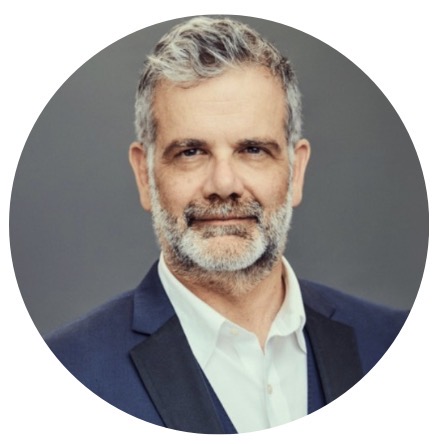
Mark Patterson
Mark Patterson leads Magnet’s efforts in advancing workforce innovation and building partnerships that drive skills development and inclusive economic growth. As the creator of Magnet, Mark has shaped its vision to connect talent with opportunities across Canada and globally. A recognized expert in workforce and technology integration, he is at the forefront of emerging trends, including how artificial intelligence is reshaping skills development and the future of work. His leadership continues to influence how individuals and organizations adapt to these changes.

Rushmi Hasham
Rushmi Hasham Dua is a seasoned leader in cybersecurity and strategic partnerships, serving as the Director of Strategic Partnerships at Rogers Cybersecure Catalyst, at Toronto Metropolitan University. With over 25 years of expertise in disrupting the tech-education and digital-talent sectors, she has forged new markets for national cybersecurity capacity development and led initiatives that have positive impact across the industry. Her work is characterized by a unique blend of continuously engaging industry insight, employer-led solutions, and a commitment to innovation—driving the development of rapid cybersecurity skills and training programs.
Rushmi creates pathways that have rapidly reskilled and upskilled over 1,000 cyber professionals, with many being women and girls, empowering them with the skills and confidence needed to excel in a career in cybersecurity. She loves to share stories of the mid-career career changers like Monica, who pivoted from a career in a high pressure restaurant as a chef to a successful career in cybersecurity. Impacts like Monica’s continue to inspire Rushmi’s work in rapid workforce development.
Frequently sought after as a leader at national events and as a member of key advisory boards, Rushmi’s strategic, action-driven approach and measurable outcomes continue to shape the future of cybersecurity talent in Canada and internationally.

Andrew Sharpe
Andrew Sharpe is founder and Executive Director of the Ottawa-based Centre for the Study of Living Standards (CSLS). Established in 1995, CSLS is a national, independent, non-profit research organization whose main objective is to study trends and determinants of productivity, living standards and economic well-being. He has held a variety of earlier positions, including Head of Research at the Canadian Labour Market and Productivity Centre and Chief, Business Sector Analysis at the Department of Finance. He holds a M.A. and Ph.D in economics from McGill University, a maitrise in urban geography from the Université de Paris-Sorbonne, and a B.A. from the University of Toronto. He is also founder and Editor of the International Productivity Monitor, co-developer (with Lars Osberg) of the composite Index of Economic Well-being. From 2005 to 2024, he served as Executive Director of the International Association for Research on Income and Wealth, an international research association dedicated to the advancement of knowledge relating to income and wealth.

Arthur Sweetman
Arthur Sweetman is a Professor in the Department of Economics at McMaster University where he holds the Ontario Research Chair in Health Human Resources.
He is also the Director of the Health Policy PhD program located in the Faculty of Health Sciences, and is co-director of McMaster’s Center for Health Economics and Policy Analysis (CHEPA). His research is primarily quantitative with a focus on health economics, social policy, and labour markets.

Jocelyn Maclure
Jocelyn Maclure, FRSC, is Full Professor of philosophy and Jarislowsky Chair in Human Nature and Technology at McGill University. His recent work in the philosophy of AI appeared in journals such as Minds & Machines, AI & Society, AI & Ethics, and Digital Society. He was the president of the Ethics of Science and Technology Commission of the Quebec Government from 2017 to 2024.

Christopher Frank Parmeter
Christopher F Parmeter is Associate Professor in Economics at the Miami Herbert Business School. He presently serves as Vice Editor of Journal of Productivity Analysis, as well as being Coeditor at Environmental and Resource Economics. His work has been published in journals such as Journal of Economic Growth, The Economic Journal, Journal of Econometrics, Journal of Applied Econometrics, European Journal of Operational Research, Political Analysis, among others.

Anindya Sen
Anindya Sen is Professor of Economics at the University of Waterloo where he has taught since 1999, and has been the Director of the Master of Public Service, Founding Director of the Graduate Diploma in Computational Data Analytics for the Social Sciences & Humanities (CDASH), and the Acting Executive Director of the Cybersecurity & Privacy Institute. In 2014 he was recognized for his innovations in teaching and mentoring of students with the University Award for Distinguished Teaching.
He has published research on the relationship between higher cigarette taxes and smoking, the impacts of market power on prices charged to consumers and firm level productivity and innovation, and the effects of higher minimum wages on employment and poverty. His current work has focused on: using advanced Machine Learning models in the analysis of non-pharmaceutical interventions and vaccinations on the spread of COVID-19 and identifying best Emergency Room protocols to reduce readmissions from cardiac arrests; constructing welfare tests for socially efficient data sharing; the economics of data markets and privacy; studying human-computer interaction in the context of cybercrimes; and understanding societal trends in trust, and misinformation.
His research has been published in peer reviewed journals such as the Review of Income and Wealth, Canadian Journal of Economics, Journal of Law and Economics, Journal of Health Economics, Health Economics, Journal of Medical Internet Research, Journal of Regulatory Economics, International Review of Law and Economics, Labour Economics, and Canadian Public Policy, and has been extensively covered by The Globe and Mail, The Financial Post, CBC, and The Toronto Star.

Derek Messacar
Dr. Derek Messacar is an Associate Professor of Applied Economics in the Department of Economics at Memorial University, with cross-appointment in the Faculty of Education. In addition, he is a Senior Research Analyst in the Social Analysis and Modelling Division at Statistics Canada; Research Fellow of the Retirement and Savings Institute at HEC Montréal; Board Member of the Canadian Labour Economics Forum; and Board Member of the Atlantic Canada Economics Association.
He is an empirical micro-economist with research interests in public, labour, behavioural and education economics. He has written on numerous topics such as pensions, labour supply, gender inequality, returns to education, and the COVID-19 pandemic. His research has been published in national and international journals including Review of Economics and Statistics, Journal of Labor Economics, American Economic Journal: Applied Economics, National Tax Journal, Canadian Journal of Economics, and Canadian Public Policy/Analyse de politiques.
He received his B.A. from Brock University, M.A. from the University of British Columbia, and Ph.D. from the University of Toronto.
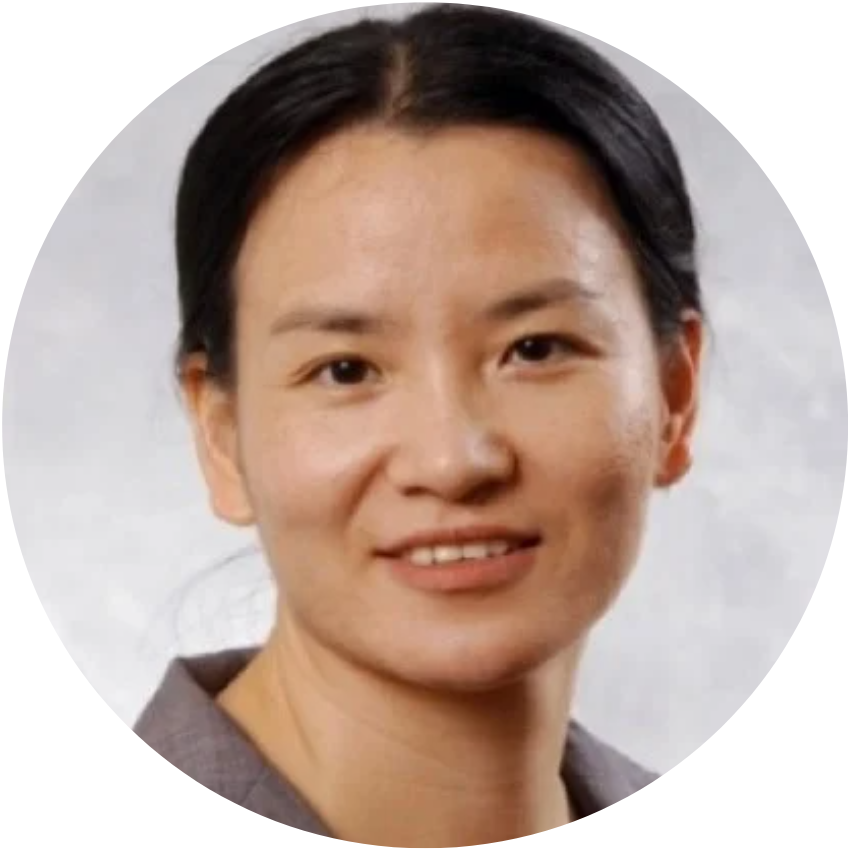
Yanhong Jin
Yanhong Jin received her Ph.D. in Agricultural and Resource Economics from UC Berkeley. She is a professor in the Department of Agricultural, Food, and Resource Economics at Rutgers University, as well as a graduate faculty in the Department of Economics and an affiliated faculty at the Center for Global Work and Employment. Her research focuses on applied microeconomics in agriculture, food, and health, with a significant emphasis on technology adoption. Her work examines R&D investment and the adoption of GMOs, industrial robots, and AI. She has published in leading field journals, including American Journal of Agricultural Economics, American Journal of Health Economics, Journal of Economic Behavior and Organization, and China Economic Review. She is an associated editor for Agricultural Economics.

Benoit Dostie
Benoit Dostie is a full professor at the Department of applied economics of HEC Montréal, the business school affiliated with l’Université de Montréal. He is also the academic director of the Québec inter-University Centre for Social Statistics (QICSS), member of the board of the Canadian Research Data Center Network (CRDCN) and member of the Canadian Statistical Advisory Council (CSAC). He is a Fellow at the Institute for the study of labor (IZA) in Germany and at CIRANO.
He received his Ph.D. in economics from Cornell University in 2001, and his research interests include statistical models for linked employer-employee data, returns to human capital, firm-sponsored training, productivity, turnover, and labour reallocation. His work has appeared in numerous scientific journals like the Canadian Journal of Economics, Journal of Econometrics, ILR Review, Industrial Relations, Journal of Human Capital, Journal of Human Resources, and the Journal of Business and Economic Statistics.

Xingfei Liu
Xingfei Liu is a labour economist in the Department of Economics at the University of Alberta. He is a research fellow at IZA (Institute of Labor Economics) and GLO (Global Labor Organization). His research guides public policy by estimating the effects of interventions in labour markets. He is interested in policies that might increase female labour force participation and reduce gender wage gaps but has a general interest in any policy that improves labour market outcomes for any disadvantaged group. I also study the effect of labour market institutions on economic efficiency, especially in China. A third research stream investigates the economic assimilation of immigrants in the U.S. and in Canada. He is also interested in human capital accumulation and its dynamics with other labor market outcomes.

Emin Gahramanov
Emin Gahramanov is a Professor of Economics at the American University of Sharjah (AUS), where he has been teaching since 2014. Prior to that, he held a position at Deakin University in Melbourne starting in 2008, after earning his PhD in Economics from Colorado State University. He rose to the rank of Senior Lecturer during his time at Deakin. His current research covers a range of topics, including intergenerational transfers, intertemporal optimization, rationality, economic growth, and taxation.
Emin has published in leading journals such as the International Economic Review, Journal of Economic Dynamics and Control, Economica, Journal of Economic Behavior and Organization, and Oxford Economic Papers.

Graham King
Graham King is a Master of Arts student in the Department of Geography at the University of British Columbia. He graduated from Memorial University’s Business Administration program (BBA) and has worked with the Stephen Jarislowsky Chair at Memorial University for four years. His research critically analyzes the resource curse thesis: both how it operates in Newfoundland and Labrador, and how the work of the pre-eminent political economist Harold Innis may constructively and geographically engage such modes of theorizing.

Elysa Darling
Elysa Darling is Chief of Staff at Digital. Elysa’s expertise in communications, government relations and background in law has earned a reputation for building deep relationships and tenaciously executing organizations’ strategic goals. She previously held the roles of Director of Communications and Director of Government & Public Affairs at DIGITAL, where she led the successful effort to obtain a $750M re-investment in the Global Innovation Clusters Program from the Government of Canada in Budget 2022.
Elysa is also a trained lawyer who practiced in the First Nations corporate commercial group at a large regional firm. In addition, she co-created and taught the Indigenous Business Law course at the University of Calgary Faculty of Law, which focused on the application of corporate commercial law to on-reserve businesses.

Emile Tompa
Dr. Emile Tompa is a senior scientist at the Institute for Work & Health. Tompa is a labour and health economist with an MBA from the University of British Columbia, an MA in economics from the University of Toronto, and a PhD in economics from McMaster University. He holds appointments as an associate professor in the Department of Economics at McMaster University and as an assistant professor at the Dalla Lana School of Public Health at the University of Toronto. Tompa holds a six-year funding envelope as the nominated principal applicant from the New Frontiers in Research Fund Transformation Stream for a social innovation laboratory called Inclusive Design for Employment Access (IDEA). The initiative is focused on skilling up employers to advance their abilities to tap into diverse talent pools, with a focus on persons with disabilities. Through IDEA and beyond, Tompa has focused much time on creating collaborations between academics, community members and other stakeholders, including policymakers at the provincial/territorial and federal levels, disability community organizations, and disability support program administrators. A key collaboration is the Disability in Work in Canada (DWC) initiative, for which he sits on the steering committee. DWC has developed a disability and work in Canada strategy and hosts an annual stakeholder conference and federal-provincial/territorial policy round table.

Jo-Ann Johnson
Jo-Ann Johnson is a PhD candidate in the School of Industrial Relations at Université
de Montréal, working under the supervision of Tania Saba, BMO Chair in Diversity and
Governance. Her research focuses on the labour market integration of Québec’s
diverse immigrant community, organizational policies aimed at integrating newcomers, employment equity, and firm performance. She has volunteered with various immigrant communities in the past and has extensive work experience in areas of governance and legal compliance.

Shannon Pestun
Shannon is the CEO of Pestun Consulting and Co-founder of The Finance Cafe. She also is a Senior Advisor to the Diversity Institute.
Over her career, Shannon has worked with academic, nonprofit, industry and governments from across Canada to build a more inclusive economy. Her experience, advocacy and leadership have made her a sought-after advisor and trusted voice on inclusive economic transformation.
Shannon is an accomplished speaker who has spoken not only across Canada but internationally, sharing the challenges and successes of building an inclusive and sustainable economy. Her compassionate and warm expertise speaks across differences to show how together we can break down barriers, build sustainable partnerships, unlock innovation and create a more inclusive economy.
As a Métis woman, Shannon is passionate about reconciliation and the economic empowerment of Indigenous Peoples. In 2020, she created the Gifting Circle Bursary for Indigenous women entrepreneurs raising nearly $200,000 in support of advancing Indigenous women’s entrepreneurship in Canada.
Originating from the Métis homeland in Treaty 1, Shannon now resides in Treaty 7. She is a proud member of the Métis Nation of Alberta.

Emily Madden
Emily Madden drives the execution of Magnet’s strategic vision, working closely with the leadership team to ensure Magnet continues to connect millions across talent, industry, training, and education. Her work integrates communications, strategic insight, and creative direction, fostering meaningful partnerships and driving innovative initiatives. Emily’s leadership plays a key role in advancing Magnet’s mission to shape the future of work through inclusive growth and preparing organizations for a rapidly evolving job market.
 AI, Remote Work and Productivity: An International Conference